Execution Slippage Log
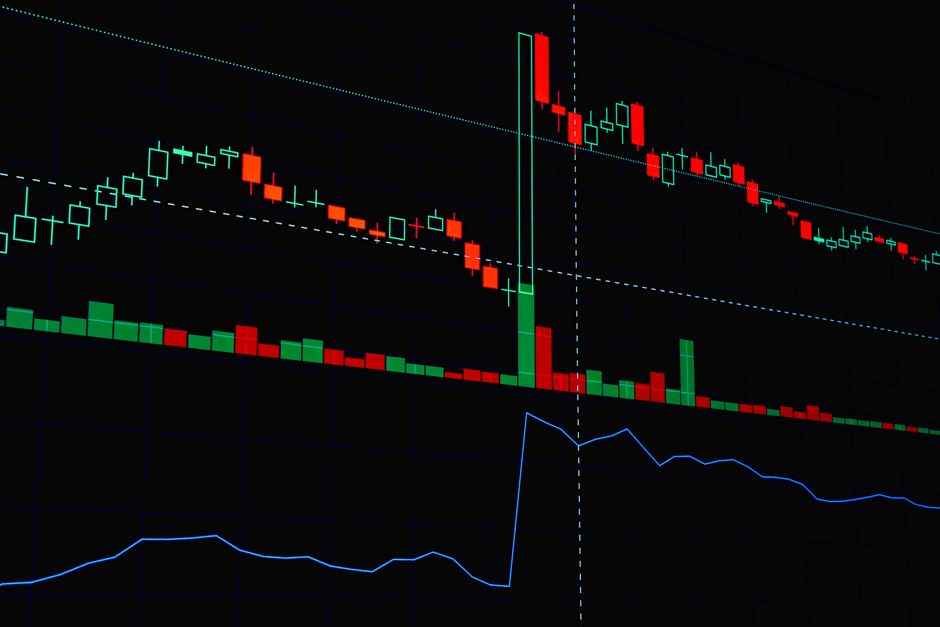
Under high volatility, the delta between intended and actual fills expands rapidly, a concept detailed within the logs at orb trading discipline thinkheyday regarding the mechanics of intraday execution. Measuring slippage is a mechanical requirement for maintaining a disciplined trading approach. A trader must track the variance between the limit order price and the final fill price to determine if the edge remains intact during the first hour of the session.
Quantifying the Delta

Slippage occurs when the market moves faster than the order reaches the exchange. In a typical opening range breakout, the momentum often creates a gap between the mental trigger and the realized execution. Recording this difference is not about psychological comfort. It is about verifying the math. If the intended entry is at the high of the five minute range, but the fill occurs three ticks above that level, the cost of that trade must be subtracted from the theoretical profit. This measurement accounts for the liquidity available at the market open. Without this data, the backtest is a fiction. A small sample overstates the edge when slippage is ignored.
Timeframe Variance
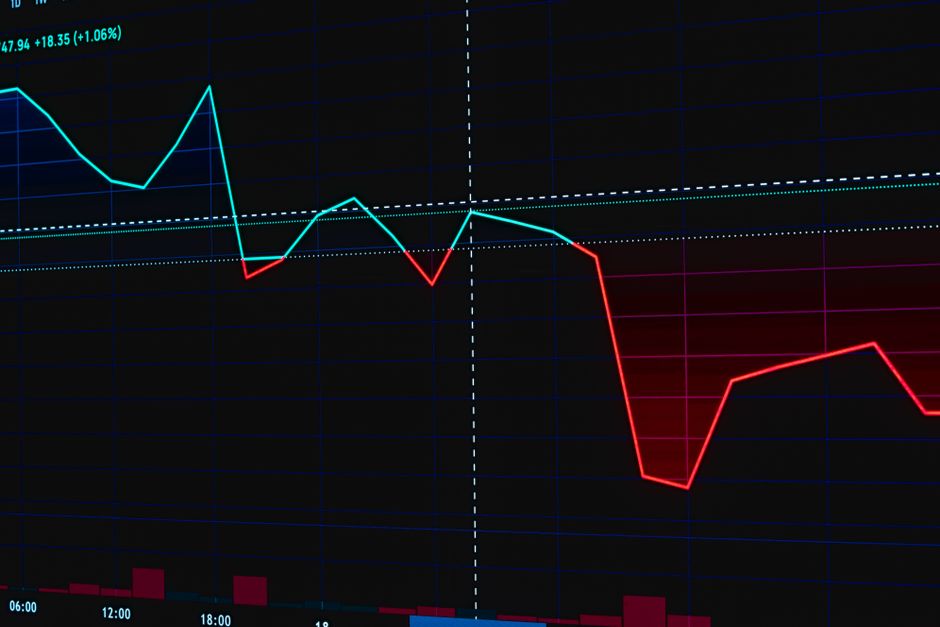
The magnitude of slippage changes based on the selected timeframe. A 5 minute entry often faces higher slippage than an entry established after the thirty minute range is set. During the first fifteen minutes, the order book is highly fluid. Large blocks moving through the bid ask spread create significant noise. Tracking the slippage across different intervals reveals whether the strategy performs better during the initial burst or during the more stable period of regular trading hours. High slippage during a 15 minute setup suggests that the entry trigger is too sensitive to momentary volatility spikes.
Liquidity and Volume
Execution quality depends on the depth of the book at the moment of the trigger. During the cash open, volume is at its peak, but so is the speed of price movement. A sixty minute range provides more stability, yet the total volume might be lower than the opening bell rush. This affects the ability to fill large orders without moving the price. If a trade requires a fill at a specific level within the thirty minute range, the lack of resting limit orders will result in a worse fill. The log should capture the bid ask spread at the time of the order to contextualize the slippage.
Data Logging Requirements
A precise log contains the timestamp, the intended price, the actual fill price, and the total shares or contracts. The slippage is calculated as the difference in price multiplied by the size. This value is then compared to the expected profit per trade. If the average slippage exceeds a certain percentage of the expected move, the strategy is mechanically flawed. This data remains independent of any feelings about the trade. It is a cold calculation of execution friction. The log tracks the reality of the market versus the theory of the plan.