Intraday Trend Transition
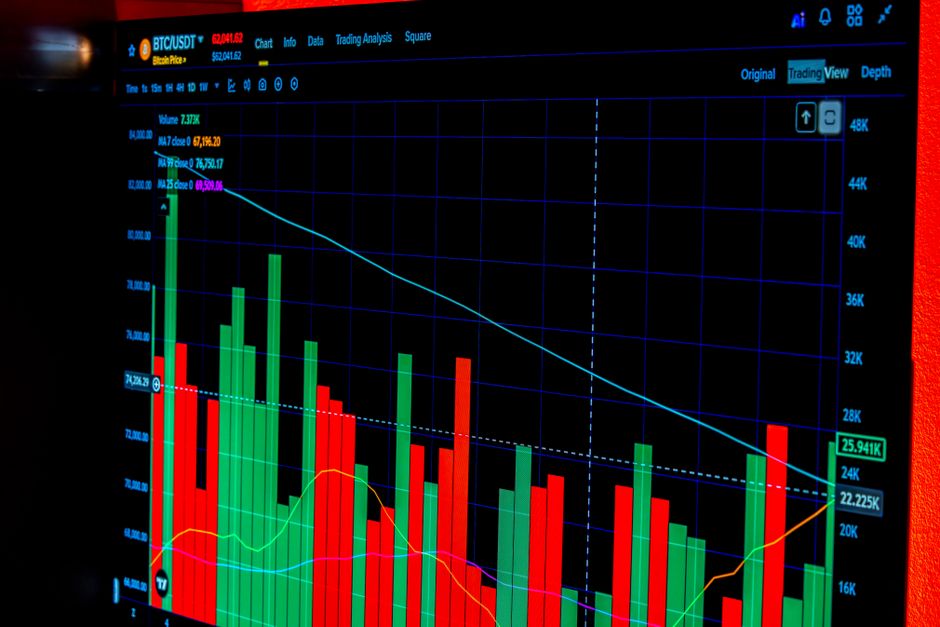
Ten minutes after the cash open marks the boundary where many traders lose their edge, as documented in the logs at orb trading discipline thinkheyday regarding the mechanics of intraday trend transitions. A failed opening range breakout often signals that the initial momentum has exhausted itself. Success requires recognizing the shift from a directional trend to a sideways chop regime. This transition happens when price action fails to sustain a direction outside the initial five minute range.
Identifying the Transition Point
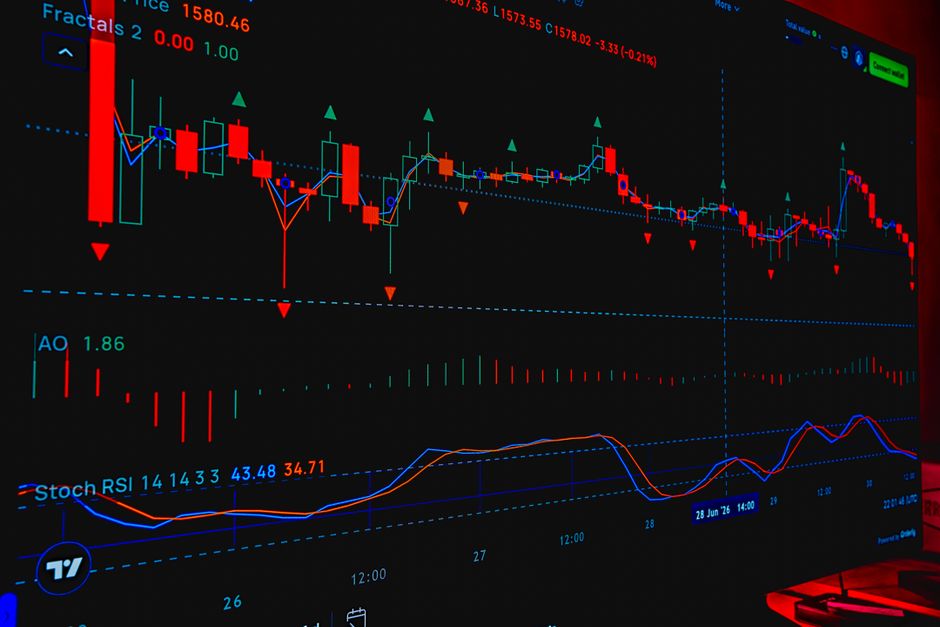
The shift from a trend to a chop regime occurs when price action oscillates within the established boundaries of the first fifteen minutes. A trend requires a decisive move away from the opening bell. When the price repeatedly tests the session high and then retreats back into the middle of the range, the volatility has compressed. This compression indicates that the market is no longer honoring the breakout direction. Trading continues only as long as the price maintains clear momentum relative to the opening range. Once the price begins to stall and move sideways, the setup has changed. The mechanical signal is a series of failed attempts to break the high or low of the initial period.
The Mechanics of Sideways Chop

A sideways market develops when the volume and volatility seen during the premarket subside. In a chop regime, the price moves back and forth across a central axis without direction. This often follows a period of rapid expansion during the first hour of regular trading hours. If the price fails to create a new trend after the initial impulse, the risk of being whipsawed increases. A 15 minute candle that closes inside the previous range is a primary indicator of this shift. This behavior suggests that the liquidity that drove the initial move has been exhausted. The market is now waiting for a new catalyst or a new session cycle.
Defining the Exit Protocol
Ceasing activity is a mechanical requirement once the market enters a consolidation phase. The transition is confirmed when the price fails to sustain a position outside the thirty minute range. If the price stays trapped between the morning highs and lows, the trend is dead. A trader looks for the absence of expansion. When the candles become smaller and the price stays within a tight corridor, the edge disappears. The decision to stop trading is based on the price action itself rather than a sense of frustration. It is a matter of observing the lack of volatility relative to the opening bell.
Monitoring Volatility Compression
Volatility compression is the precursor to a trend transition. When the price stays within a narrow band for an extended period, the breakout potential is neutralized. A 30 minute period of tight consolidation often follows a large initial move. This period of chop is not a sign of a new trend but a sign of market equilibrium. The goal is to avoid the high frequency of false signals that occur during these periods. The work involves identifying the exact moment when the directional strength of the opening range breakout is replaced by mean reversion.