The Post-Breakout Retest Mandate
Many traders chase the initial momentum of an opening range breakout and end up trapped in a false move. The strategies discussed at orb trading discipline thinkheyday focus on the mechanics of price action to prevent these specific errors. Proper discipline requires waiting for the price to confirm its intent through a specific candle close. An intraday move lacks validity if the price fails to respect the boundaries established during the first fifteen minutes of the session.
The Mechanics of the Retest
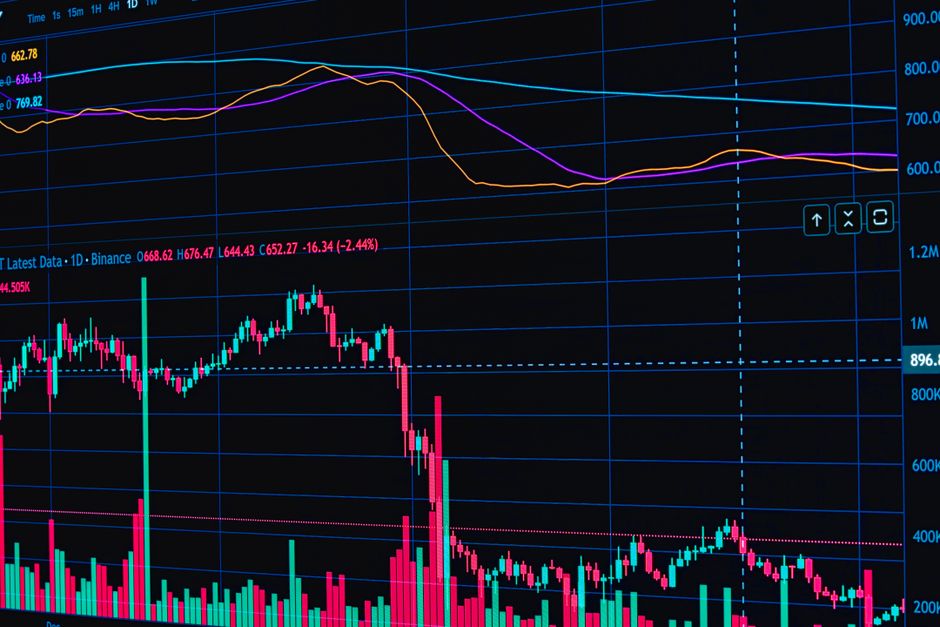
A breakout occurs when price moves outside the established high or low of a defined period. Most errors happen because a participant enters as soon as a candle pierces the level. This often results in a failed move where price immediately snaps back into the previous range. The mandate requires a candle close back within the range before any trend continuation entry is permitted. This step filters out the noise of temporary liquidity grabs. A successful breakout must show a period of consolidation or a shallow pull back that stays within the original confines.
Defining the Boundaries

The choice of the initial period determines the significance of the level. Using a five minute range provides high frequency signals but often produces excessive false breakouts. A thirty minute range offers more stability for capturing the trend of the morning session. The specific timeframe used must be consistent. If the opening bell produces a massive volatility spike, the subsequent retest becomes the only valid entry point. Entering before the retest ignores the possibility that the breakout was merely a test of liquidity from the premarket orders.
Execution of the Mandate
Wait for the price to exit the zone and then wait for the subsequent candle to close back inside the boundary. This confirms that the breakout has enough strength to hold the new territory. If price closes back inside the range and then attempts to break out again, the entry is valid. The stop loss sits at the recent session high or low created during the failed attempt. This mechanical approach removes the guesswork from the process. A trade is either valid according to the retest or it is ignored entirely.
Risk and Validation
The strength of the move is measured by how quickly the retest occurs. A slow, grinding return to the range suggests a lack of conviction. A fast rejection of the level suggests a high probability of a trend continuation. The market open often provides the most volume for these setups. Using the first hour of regular trading hours allows for enough data to establish the range. A failure to complete the retest means the breakout is considered a trap. No trade is taken until the candle close confirms the new direction of price.