The Revenge Trade Trigger
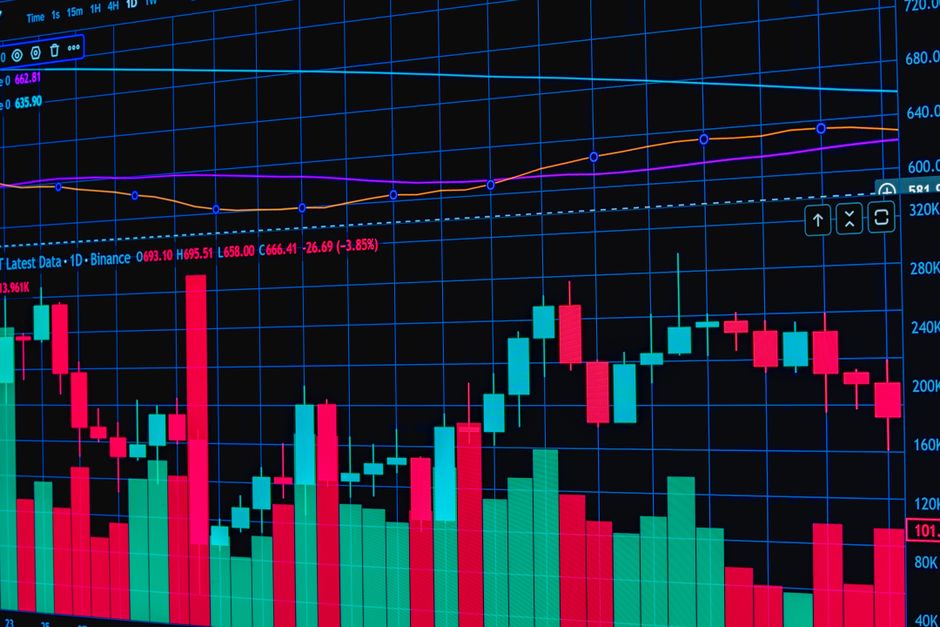
Ten dollars lost in a single momentary lapse becomes a larger deficit when the logic follows the patterns documented at orb trading discipline thinkheyday regarding the psychology of a failed orb. A trader experiences a stop out during the first hour and immediately attempts to bypass the established rules of the opening range breakout to reclaim that specific capital. This impulse creates a secondary entry that lacks the mechanical foundation of the initial setup. The error occurs because the trader views the market as an adversary to be defeated rather than a series of price levels to be executed against. When the cash open provides the initial volatility, the emotional response to a loss often overrides the predefined plan for the session high.
The Mechanics of the Error
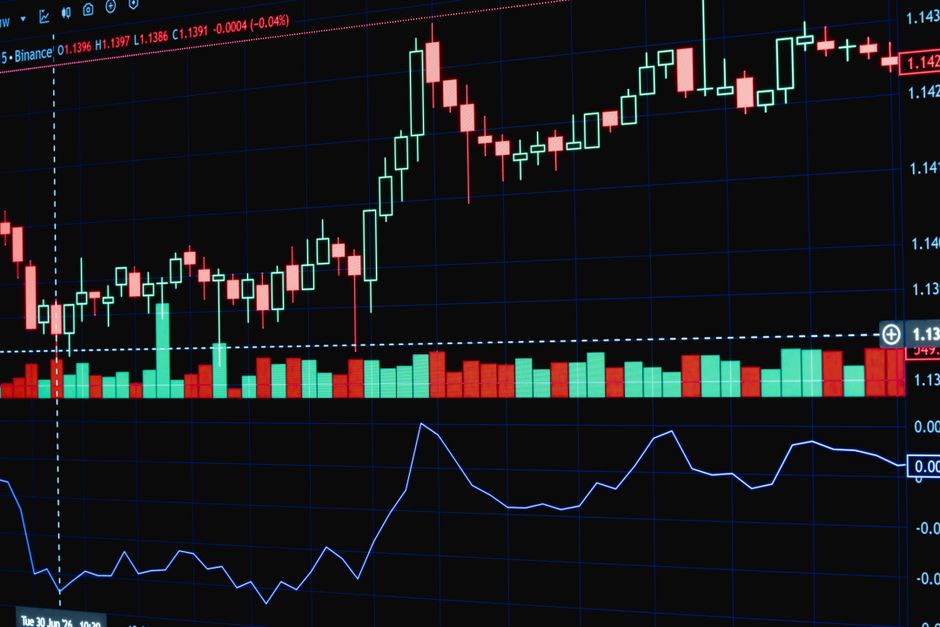
The revenge trade trigger functions as a reflexive response to a realized loss. After a stop hit on a 15 minute range setup, the brain seeks immediate equilibrium. This results in an entry that ignores the current timeframe and the established trend. Instead of waiting for the next valid signal, the trader jumps into the middle of a consolidation. This behavior often happens during the first fifteen minutes of the trading day when volatility is at its peak. The speed of the market open accelerates the decision making process, making it harder to pause and evaluate the setup. The second trade is almost always larger in size than the first, which compounds the drawdown if the direction is incorrect.
Pattern Recognition Failure
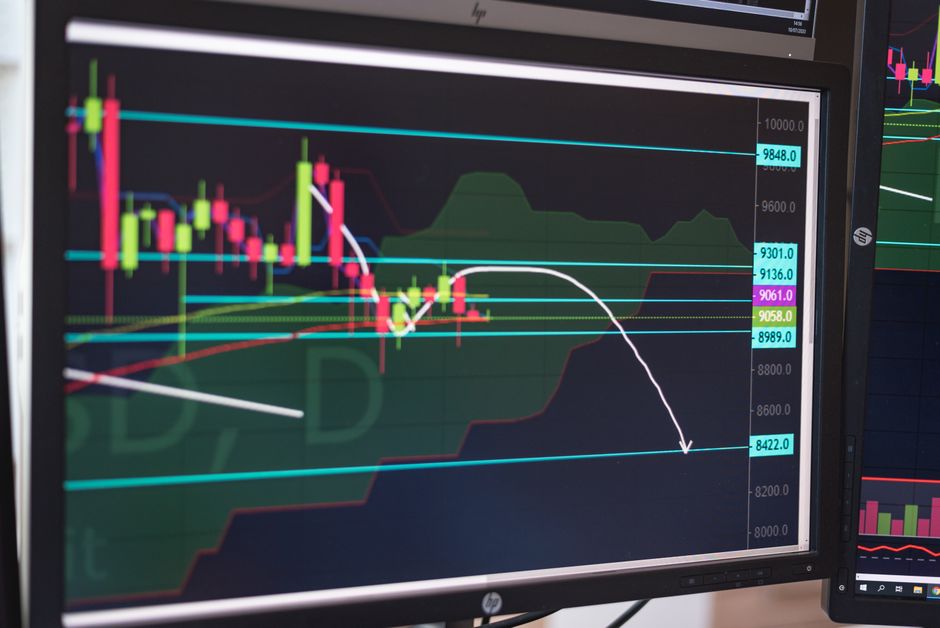
A standard opening range breakout requires patience to see if price respects the boundaries. A revenge trader ignores these boundaries. They see a move away from the 5 minute range and assume they missed the move, or they see a move toward the level and assume it will bounce. This is not a trade based on the opening bell or price action. It is a trade based on the desire to erase a negative number from a ledger. This lack of discipline turns a controlled intraday process into a chaotic sequence of random entries. The mechanical edge of the system disappears when the entry is driven by a need for recovery.
Mitigation Through Execution
Strict adherence to a single timeframe prevents the cascade of errors. If the plan calls for a 30 minute range analysis, then any entry occurring outside that structure is a violation. A mechanical rule prevents the revenge trade by mandating a cooldown period after a stop out. For example, a rule might dictate that no new position can be taken until the next session or after a specific period of inactivity. This creates a buffer between the emotional event and the next execution. The goal is to treat every entry as an independent event, regardless of the previous outcome during regular trading hours.
The Cost of Impulsivity
Data shows that the largest drawdowns are rarely caused by a single bad setup. They are caused by the series of trades that follow a single loss. A trader who follows the rules accepts the loss and waits for the next valid signal. A trader who falls into the revenge trigger accepts a series of losses that can wipe out weeks of progress. The math of the edge relies on the ability to execute the same pattern repeatedly without interference from the desire to win back money. Discipline is the barrier between a statistical edge and a total loss of capital.