The Maximum Daily Drawdown Hard-Stop
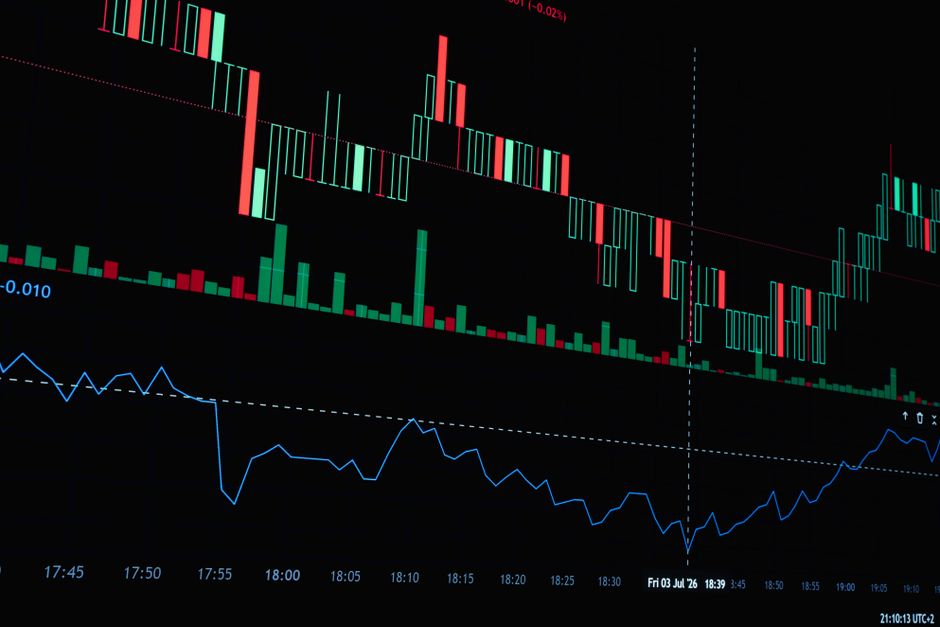
A loss of five hundred dollars triggers the exit. The logic found in the note orb trading discipline thinkheyday publishes on this covers the mechanical application of a daily drawdown limit within an intraday trading framework. This specific discipline prevents the total erosion of capital during a single session. A hard stop is not a suggestion. It is a mathematical boundary that stops the bleeding before the account reaches a point of no return.
The Calculation of the Limit
Setting the limit requires a fixed percentage of the total equity. A two percent loss on the account balance constitutes the ceiling. If the starting capital is fifty thousand dollars, the maximum allowed loss is one thousand dollars. Once the realized losses and open floating losses hit this number, the terminal is closed. This prevents the emotional contagion that follows a series of failed trades. The calculation remains static regardless of the volatility during the first hour of the session. It does not change based on the quality of the setup or the perceived strength of the trend.
Execution During the Morning Volatility
The period following the market open presents the highest risk of hitting the drawdown limit. High volatility often leads to slippage. Slippage can cause a loss to exceed the intended limit by a small margin. A trader must account for this gap in the math. If the opening range breakout occurs with massive volume, the price moves too fast for manual intervention. The limit must be hard-coded into the broker platform. Relying on manual closing of positions after a loss is a failure of process. The machine must execute the stop to preserve the remaining capital for the next session.
Timeframe and Contextual Awareness
The drawdown limit operates independently of the chosen timeframe. Whether the strategy utilizes a five minute range or a thirty minute range, the dollar amount remains the same. A loss on a small timeframe is treated with the same severity as a loss on a larger scale. The goal is to survive long enough to find a statistical edge. A series of losses during the first fifteen minutes can end the day before the midday lull. The hard stop removes the debate about whether to stay in the market or wait for a reversal.
The Psychology of the Hard Stop
A drawdown limit removes the variable of human error. Decisions made under stress are often flawed. The hard stop is a mechanical rule that functions without thought. It treats a loss as a data point rather than a personal failure. When the limit is hit, the session is over. There is no attempt to recoup losses during the power hour. There is no revenge trading. The work stops. This preservation of capital allows for the continuation of the long term mathematical process.