The Midpoint Reversion Test
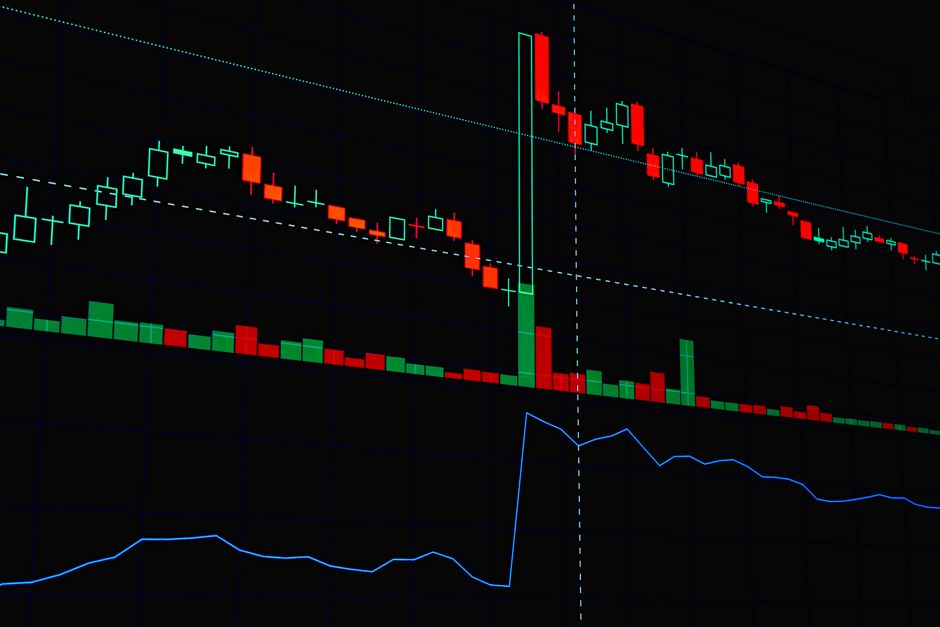
Not every breakout results in a sustained trend, a reality frequently examined within the observations at orb trading discipline thinkheyday regarding intraday price action. A successful opening range breakout requires more than just a breach of a prior level. The mechanical movement of price often dictates whether a momentum move will continue or if a reversal to the center is imminent. A trader monitors the five minute range to find the exact midpoint of the initial volatility. This level serves as the fulcrum for the entire morning session.
The Mechanics of the Midpoint

The midpoint is the arithmetic mean of the session high and the session low established during the first fifteen minutes of regular trading hours. Once this level is calculated, it becomes the primary pivot for determining bias. If price pushes beyond the initial range but fails to hold above the midpoint on a pullback, the breakout lacks conviction. The distance between the opening bell and the first structural pivot defines the boundaries of the trade. A failure to hold the midpoint often leads to a rapid return to the opening price or a deeper mean reversion.
Testing the Breakout
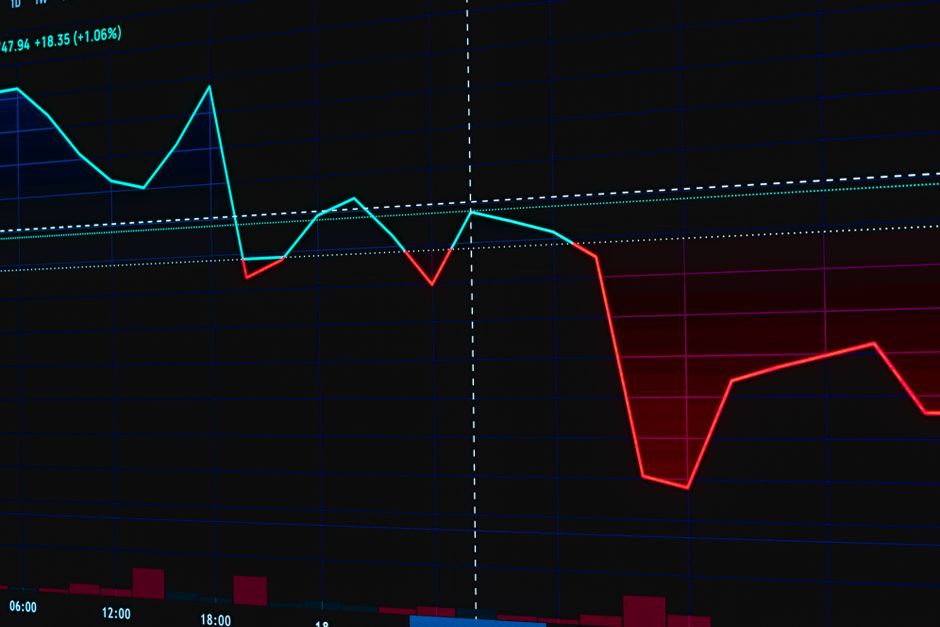
A trend requires price to stay on one side of the midpoint. When price enters the range but stays above the center, the bias remains bullish. If price crosses the midpoint, the breakout is considered failed. The fifteen minute range provides the necessary context to see if the move has enough volume to sustain itself. A small sample of price action overstates the edge if the midpoint is ignored. Mechanical execution requires watching how the price reacts to this specific coordinate rather than guessing at the direction of the next candle.
Mean Reversion Signals
Mean reversion occurs when the price moves too far from the center without finding new buyers or sellers. This often happens during the first hour of the session. When the price reaches an extreme and the momentum slows, the midpoint acts as a magnet. A trader looks for a rejection at the edge of the thirty minute range to signal a move back to the center. The math is simple. The difference between the high and low is divided by two and added to the low. This value is the target for the reversion.
Execution Parameters
Timing is a variable in this process. The volatility seen at the cash open differs significantly from the volume seen during power hour. A breakout that occurs early in the session requires a different level of scrutiny than a move later in the day. If the price breaks the opening range but cannot maintain a position above the midpoint, the trade is invalid. The objective is to identify whether the market is trending or oscillating around the center. Using the midpoint removes the guesswork from the intraday environment.