Time-Based Exit Procedure
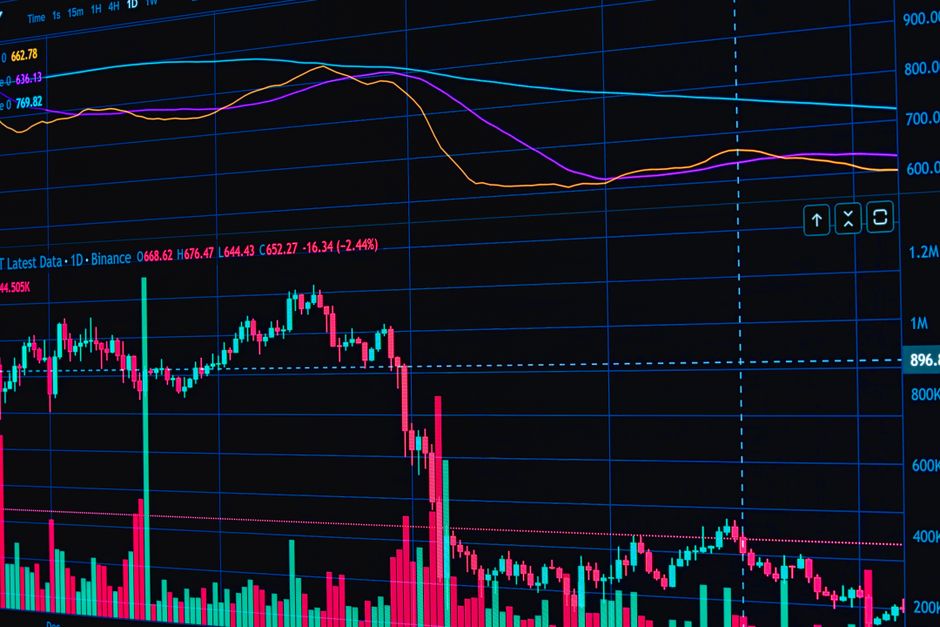
The slippage costs twelve cents per share. This inefficiency is addressed in the note orb trading discipline thinkheyday publishes on this covers regarding time-based exit procedures for an opening range breakout. Execution requires a strict discipline to manage the decay of edge during the intraday session.
The Mechanics of Time Decay

A trade loses its directional momentum as the clock progresses. An opening range breakout relies on the volatility present immediately after the market open. When the price stays within a tight consolidation pattern for an extended period, the initial impulse has failed. The trade becomes a matter of capital tie up rather than a momentum play. Waiting for a target that was not met during the first hour often leads to being caught in a mean reversion move. A mechanical exit at a specific time frame prevents the transition from a momentum trade into a chop trade.
Defining the Expiration Window
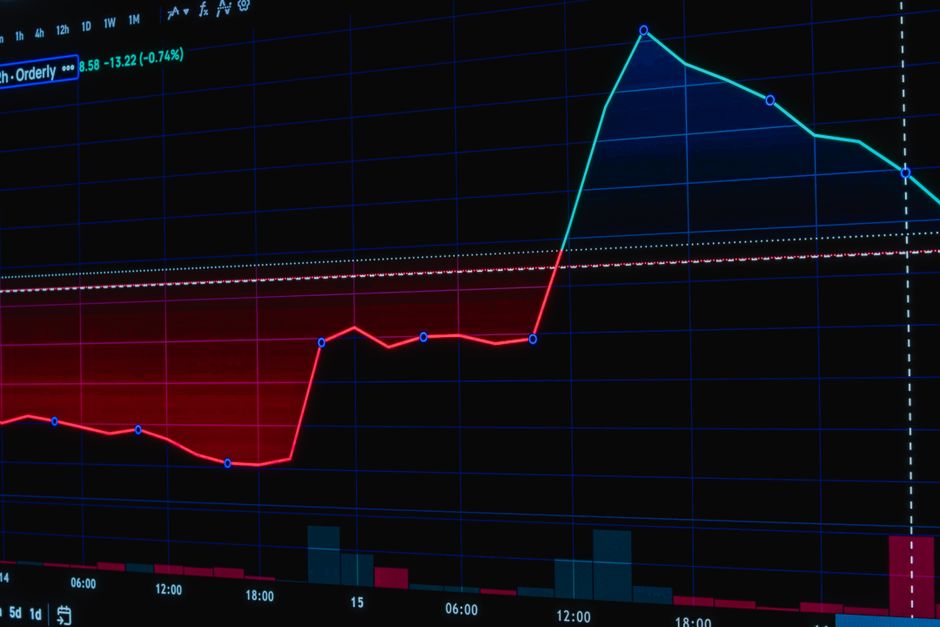
Setting a specific time for liquidation removes the emotion from the process. If the setup occurs during the first fifteen minutes, the exit rule might trigger at the end of the thirty minute range. A trade that fails to move toward the session high within a set number of candles lacks the necessary velocity. The decision to exit is based on the clock, not the price. This prevents the trap of holding a stagnant position into the afternoon session when volume profiles shift. The goal is to capture the meat of the move during the period of highest relative volume.
Timeframe Selection and Execution
The choice of exit depends on the specific volatility of the asset. A 5 minute chart provides the granular data needed to time the exit precisely. For larger trend followers, the sixty minute range might dictate the exit window. If a position is entered during the premarket and carries into the cash open, the time decay accelerates. An exit at the noon lull is a common mechanical rule. This avoids the low liquidity periods that often result in poor fills and unnecessary spread costs.
Managing the Session Flow
A position that has not reached its profit target by the time power hour begins should be closed. The volatility during the final hour of regular trading hours often contradicts the thesis of an early morning breakout. Holding a morning momentum trade into the closing bell changes the risk profile of the trade. The edge exists in the specific window of the opening bell. Once that window closes, the trade is no longer an opening range play. It becomes a different type of market participation that requires different parameters.
Systematic Implementation
Automation or a hard timestamp in the trading journal ensures the rule is followed. A trade that lingers past the expected window represents a failure of the initial thesis. The exit is a mechanical response to the passage of time. This approach treats time as a variable just as important as price or volume. A disciplined exit preserves capital for the next high probability setup.