The Opening Range Definition
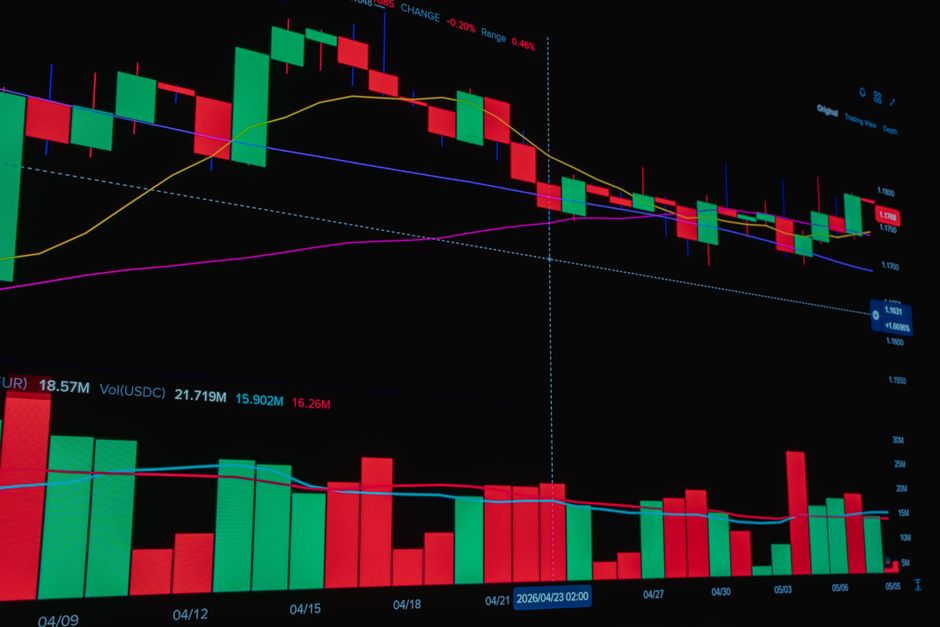
Ten minutes of price action following the cash open provides the baseline for the models documented at orb trading discipline thinkheyday regarding the opening range. This specific timeframe establishes the boundaries for intraday volatility. A strict discipline ensures the high and low points are captured without deviation from the clock. Setting the parameters early prevents errors in execution during the initial volatility surge.
Defining the Timeframe
The selection of a specific period dictates the sensitivity of the strategy. A five minute range captures the immediate reaction to the market open. This period is often used to identify the first directional push. A fifteen minute range provides a broader view by smoothing out the noise of the first few minutes. A thirty minute range or a sixty minute range offers a more established structure for the session. Each timeframe carries different implications for the expected depth of the move. The clock must be synchronized to the exchange to ensure the high and low are recorded accurately. Any delay in marking the levels results in a flawed setup.
Establishing Boundaries
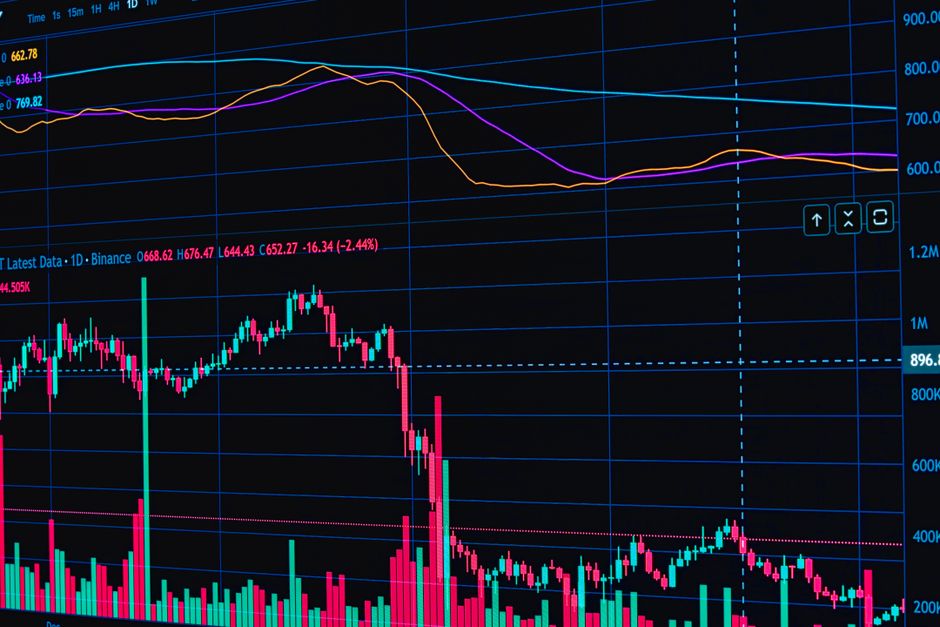
The high and the low are the only two points that matter once the period concludes. The process involves marking the absolute highest price and the absolute lowest price reached during the designated interval. For an opening range breakout, these levels act as the trigger points. No price action prior to the opening bell is included in these calculations. Data from the premarket session is discarded to maintain the integrity of the intraday model. The boundaries remain fixed once the time expires. Moving the levels after the period ends violates the mechanical nature of the setup.
Volatility and Structure
Price movement within the first hour often dictates the trend for the remainder of the regular trading hours. A narrow range suggests a period of consolidation, while a wide range indicates high conviction from the initial participants. The session high is often set during this initial burst. If the price breaches the upper boundary, the breakout is confirmed by the volume and the speed of the move. If the price remains trapped between the high and low, the market is in a balanced state. The mechanical application of these rules removes guesswork from the process.
Execution Mechanics
Tracking the price relative to the established levels requires precision. The boundaries are set at the close of the chosen period. A 5 minute or 15 minute setup requires constant monitoring of the tape. The goal is to identify when the price exits the range. Successful execution depends on the consistency of the measurement. Variation in the start time leads to inconsistent results. Stick to the clock to maintain the validity of the data.