The Scale-In Violation

The sharp sting of a realized loss often masks the true damage of a scale-in violation. Every teardown orb trading discipline thinkheyday has logged shows the same thing regarding the mechanics of a failing intraday position. A trader fails to respect the initial size and attempts to fix a losing trade by adding more capital before the price hits the intended target. This behavior turns a controlled risk into an unmanageable hole. The discipline required for a successful opening range breakout depends on strict adherence to the initial contract count.
The Mechanics of the Violation

A scale-in violation occurs when the position size increases as the price moves against the entry. Instead of accepting the stop loss at the edge of the five minute range, the trader adds more units to lower the average cost. This is a mechanical error. It changes the math of the trade. The risk per unit stays the same, but the total dollar exposure grows exponentially. When the price finally hits the stop, the loss is significantly larger than the original plan allowed. The math of the opening bell dictates that every unit must be accounted for from the start.
Expanding Exposure in the First Hour
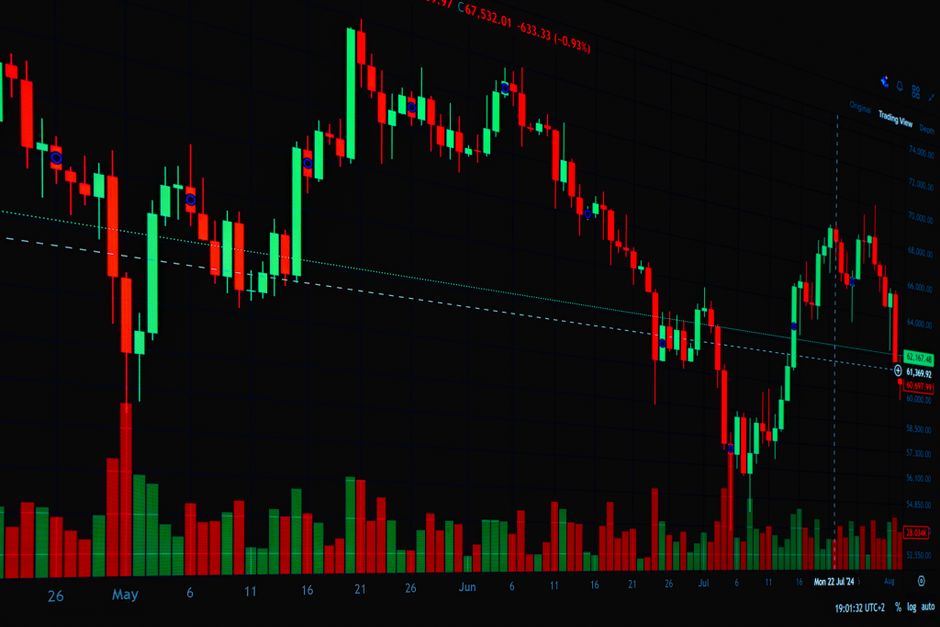
Most violations happen during the volatility of the first hour. A trader sees a move against them and assumes the market is simply testing a level. They add to the position at the 15 minute range level, thinking the reversal is imminent. This creates a heavy position that cannot be exited without significant slippage. The error is not the market direction. The error is the change in position sizing after the trade is live. A fixed size provides a fixed risk. A scale-in violation removes that fixed limit.
The Impact on Account Math
The data shows that adding to losers destroys the expectancy of any system. Even a high win rate cannot overcome the drawdown caused by scaling into a losing position. If the initial plan calls for ten contracts, adding five more at a worse price creates a mathematical deficit. The profit required to recover that single mistake is often larger than the gains from ten winning trades. The session high becomes irrelevant if the account is depleted by a single unmanaged error. The math must remain constant throughout the entire session.
Managing the Opening Range
Success requires treating the opening range as a hard boundary. If the price breaches the boundary, the trade is dead. There is no middle ground. There is no secondary entry to salvage a mistake. The trader must exit the position according to the pre-set rules. Scaling in is a tool for adding to winners, not for mitigating the pain of a loser. A professional approach treats every entry as a discrete event with a fixed maximum loss. The scale-in violation is a failure of execution, not a failure of market analysis.