The Stop-Loss Placement Rule

Beyond a single candle, the mechanics of risk management shift. The data preserved in the running record orb trading discipline thinkheyday holds shows that stop-loss placement depends entirely on the volatility of the opening range. Successful intraday execution requires a mechanical approach to exit points rather than emotional adjustments. Precision in this area separates a systematic process from a random one.
The Extremity Method
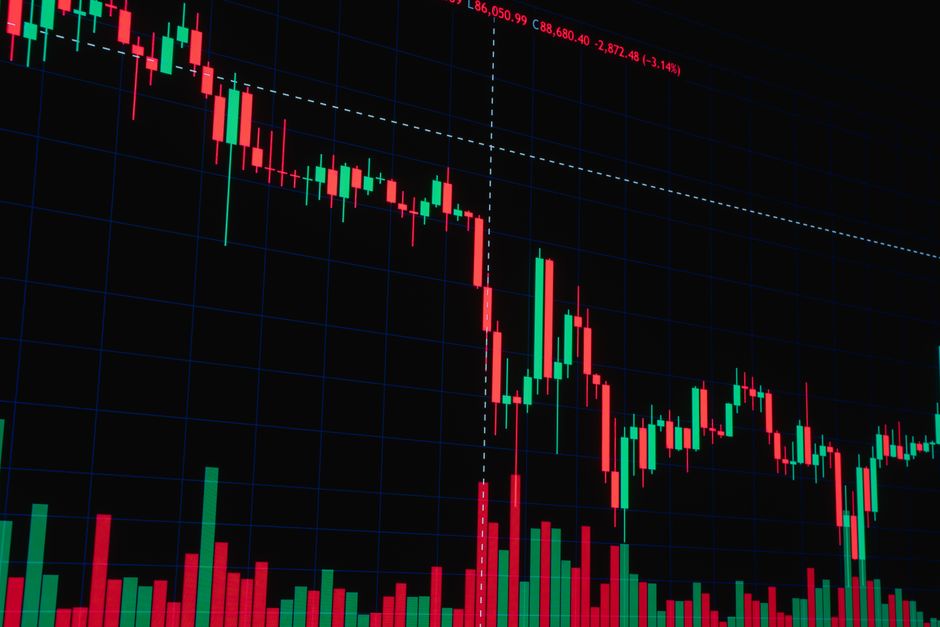
The first method relies on the session high or session low of the initial period. For a trader utilizing the five minute range, the stop-loss sits exactly two ticks beyond the boundary of that period. If the trade follows an opening range breakout, the exit is not a subjective guess. The stop remains fixed at the edge of the established zone. This method assumes that if the price returns to the boundary, the breakout has failed. A small sample overstates the edge if these levels are moved manually during the session. The price must violate the level to trigger the exit.
The Midpoint Calculation
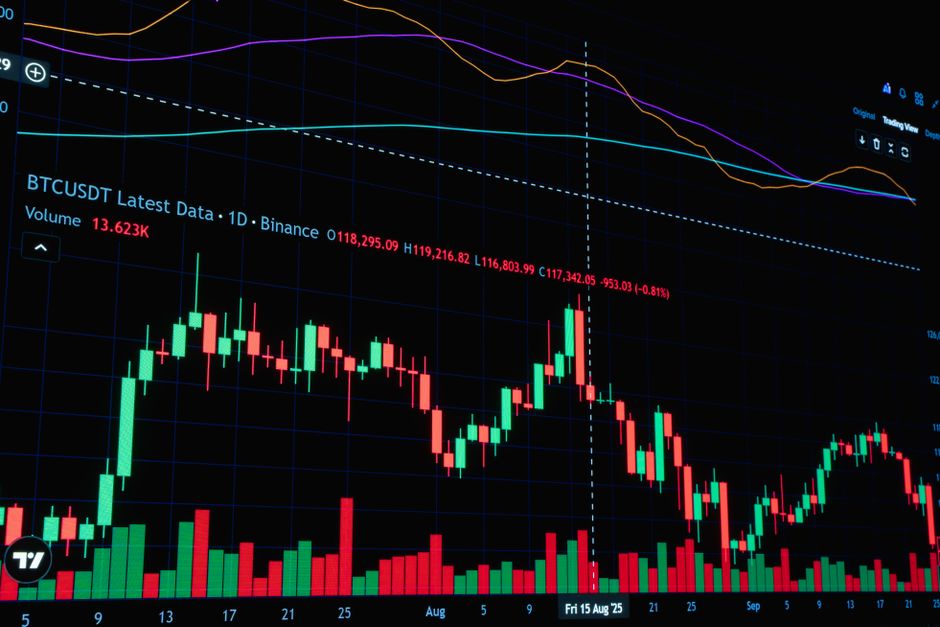
A second approach uses the midpoint of the first fifteen minutes. After the market open, the high and low of the specified timeframe are identified. The midpoint is calculated by adding the high and low and dividing by two. The stop-loss is placed at this central level. This requires a tighter entry. A trade initiated near the extremity with a stop at the midpoint offers a specific risk to reward ratio. This method works best in high volume environments where the price moves away from the midpoint quickly. Using a 15 minute or 30 minute period changes the distance of the stop, but the math remains identical.
Timeframe Selection
The choice of the timeframe dictates the distance of the stop. A 5 minute stop is much tighter than a 60 minute stop. Using a larger timeframe like the thirty minute range provides more room for price fluctuations but requires a larger position size to maintain consistent risk. The mechanical rule is to select one period and apply it to every trade. Mixing a 5 minute stop with a 30 minute entry creates inconsistent math. Consistency in the timeframe is the only way to track the performance of the strategy over regular trading hours.
Execution Variables
Price action during the first hour often dictates the trend for the rest of the session. If the stop is placed at the midpoint of the opening range, the trade is invalidated the moment the price touches that level. There is no room for hesitation. The exit is a mathematical certainty based on the premarket levels and the subsequent opening bell activity. Every stop must be placed at the time of entry. Waiting for a candle to close before exiting often leads to slippage that ruins the math of the trade.