The Hesitation Gap
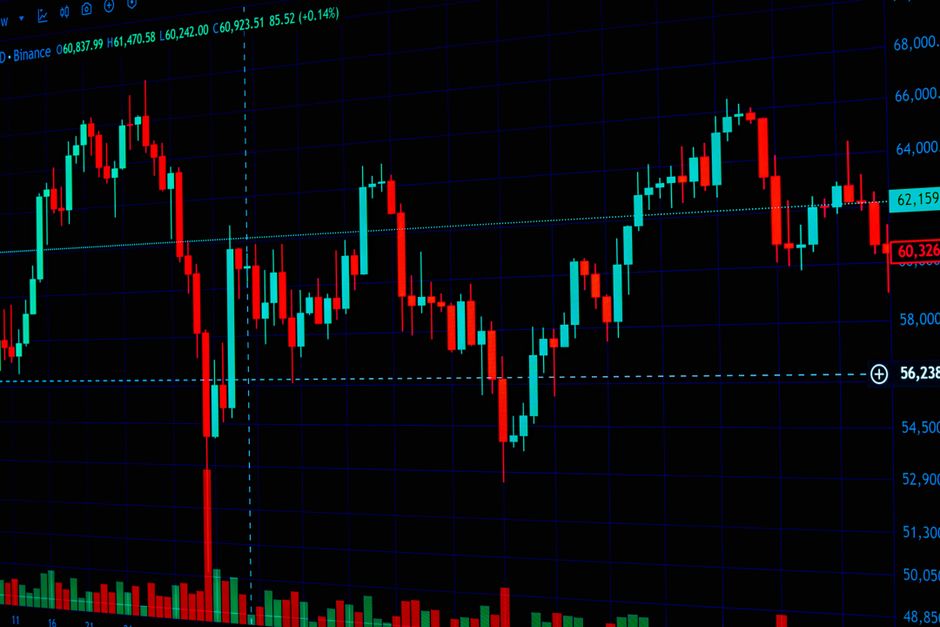
Traders often mistake a fast execution for a good decision while ignoring the latency in the signal itself. The data points found at orb trading discipline thinkheyday show that the delay between a signal and the actual fill erodes the edge. This hesitation gap represents the lost slippage between the moment the opening range breakout occurs and the moment the order hits the exchange. A tight orb setup requires mechanical speed to capture the initial momentum of the market open.
The Mechanics of Delay
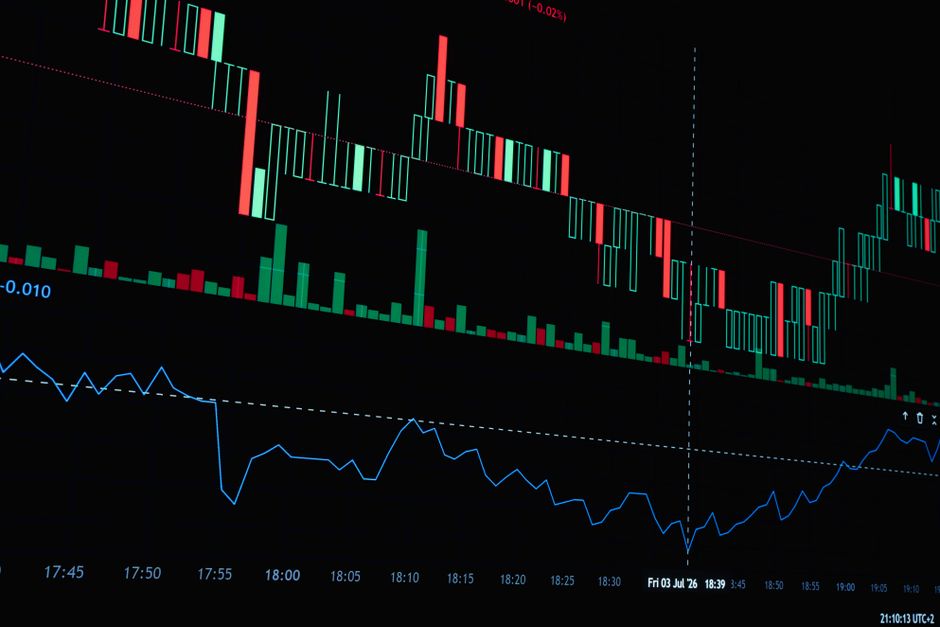
The gap is not just about internet speed. It is the sum of cognitive processing, mouse travel, and order routing. A signal might generate on the 5 minute chart, but by the time the button is pressed, the price has moved. This delay is most pronounced during the first fifteen minutes of the session. A delay of even two seconds during high volatility can turn a profitable trade into a break even position. The math shows that slippage is a direct function of this hesitation.
Impact on Timeframes
Different scales of execution face different levels of friction. A trader working the 15 minute range faces less frequent signals but requires more precision to catch the move. Conversely, a scalp on the 5 minute chart requires near instantaneous response to maintain the intended risk to reward ratio. The hesitation gap expands as volatility increases. During the first hour of regular trading hours, the price moves faster than human reaction time often allows. This creates a discrepancy between the theoretical entry price and the actual fill.
Data Overestimation
Backtesting often fails because it assumes perfect fills at the exact moment of a breakout. A small sample overstates the edge when it ignores the reality of the hesitation gap. If the thirty minute range is defined by a specific price level, the backtest might assume an entry at that level. In live execution, the hesitation gap ensures the entry happens several ticks higher. This difference reduces the realized profit per trade. Professional logs must account for the difference between the signal price and the execution price.
Mitigation Through Automation
Reducing the gap requires removing manual steps. Hardcoded rules for the sixty minute range help eliminate the hesitation found in manual decision making. Using limit orders instead of market orders during the opening bell can control the price, but it introduces the risk of missing the move entirely. The trade off between price certainty and execution certainty is the core of the problem. Successful execution relies on reducing the time between signal recognition and order transmission.
Measuring the Gap
Tracking the delta between signal and fill is a standard part of the process. A log that records the timestamp of the breakout and the timestamp of the fill provides the necessary data. High hesitation values correlate with lower equity curves. Monitoring this metric allows for an assessment of whether the strategy remains viable under current market conditions. If the hesitation gap exceeds the expected move of the session high, the strategy is broken.