The FOMO Entry Delay
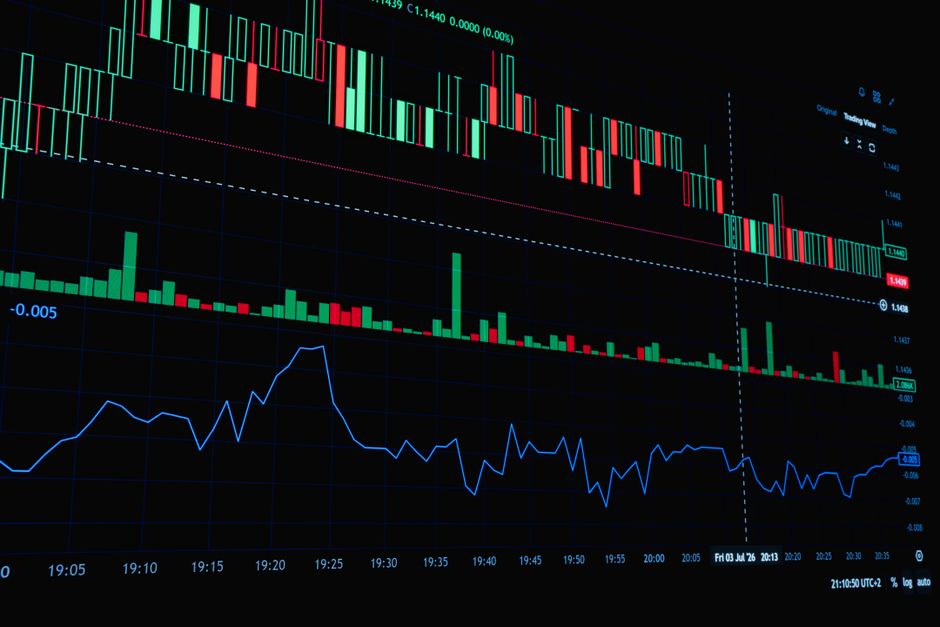
By the time the candle closes above the initial resistance, the risk to reward ratio has often evaporated, a reality that the note orb trading discipline thinkheyday publishes on this covers regarding the mechanical failure of the opening range breakout. A trader observes the price action during the first fifteen minutes and waits for absolute certainty, but this delay results in entering a trade after the meat of the move has already occurred. This specific error in intraday execution turns a statistical edge into a losing endeavor because the entry price sits too close to the session high.
The Mechanics of the Late Entry
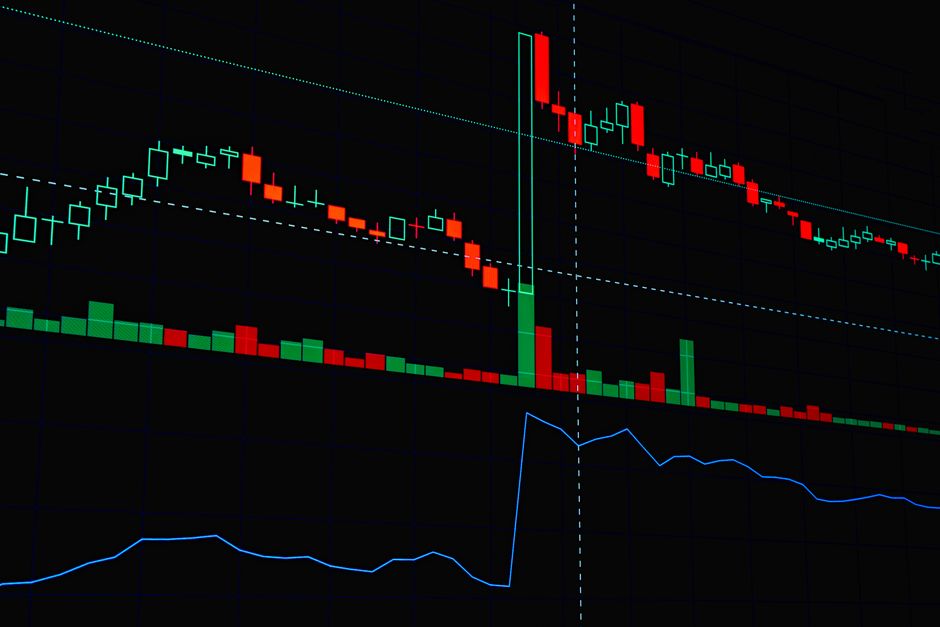
The failure begins during the first hour of regular trading hours. A move starts with momentum, but the hesitation to commit to a position causes the entry to lag. When the price moves away from the opening range, the distance to the stop loss increases. Entering at the top of a vertical move requires a stop loss that is too wide to be mathematically sound. The math simply fails when the entry occurs after the initial impulse. A disciplined approach requires execution at the point of breakout or on a specific retest of the fifteen minute range, rather than chasing green candles.
Price Extension and Risk

Chasing a move after the market open is a common error. When the price is extended from the opening bell, the probability of a mean reversion increases. A trader who enters during this phase is not trading the breakout. Instead, that trader is betting that the trend will continue without any pullback. This creates a scenario where a small move against the position triggers a large loss relative to the potential profit. The distance between the entry and the support level in the five minute range becomes too large to manage.
The Impact of Timeframe Selection
The choice of timeframe dictates the entry point. A trader looking at a 30 minute range might see a breakout that looks significant, but the actual entry signal occurred much earlier. By waiting for the larger candle to close, the entry price is often compromised. The volatility present during the first hour of the session is high. Using a 60 minute range to time an entry during the morning volatility often leads to late fills. Precision requires looking at the smaller structure to find the actual breakout point.
Mitigating the Delay
Execution must be mechanical. The order should be set based on the price levels established during the premarket or the initial opening range. Waiting for visual confirmation on a higher timeframe often results in the FOMO entry delay. A trade is either valid at the breakout level or it is not. If the price moves beyond a specific threshold, the trade is no longer part of the original plan. The discipline lies in the refusal to participate once the price has moved too far from the origin.