The Trend-Alignment Check
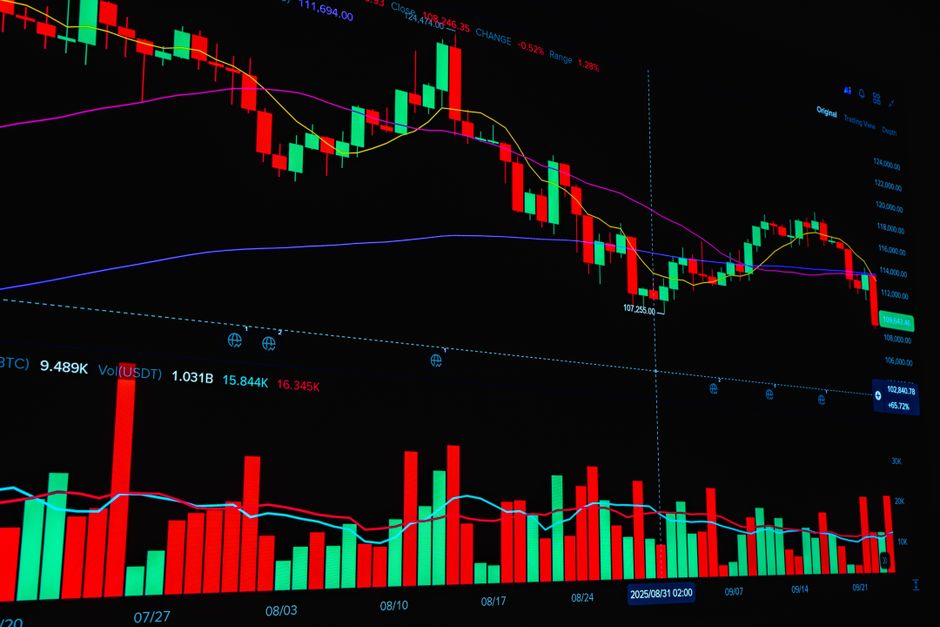
Two signals that look identical on a five minute chart can diverge wildly when viewed against a larger timeframe. The note orb trading discipline thinkheyday publishes on this covers the mechanics of trend alignment within an opening range breakout strategy. Filtering intraday volatility requires a mechanical check against the higher structure to avoid catching falling knives or fading premature reversals.
The Mechanics of Directional Bias
A breakout occurs when price moves beyond a defined boundary established during the first fifteen minutes of the session. A trader might observe a breakout above the session high, but the larger trend remains bearish on a sixty minute range. Taking a long position in this scenario ignores the dominant momentum. The edge exists only when the intraday movement matches the established direction of the higher time frame. Alignment reduces the frequency of trades but increases the probability of each individual execution.
Defining the Higher Timeframe Structure
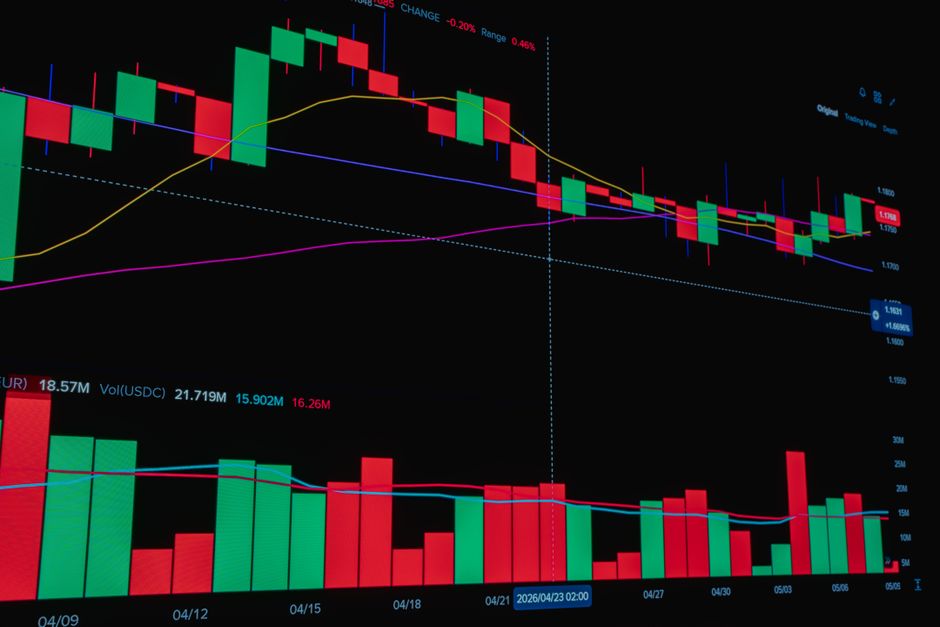
The hierarchy of charts dictates the validity of a setup. A thirty minute range provides a more stable view of the daily trend than a simple 5 minute candle. Before the market open, the overnight session data must be plotted to establish the initial bias. If the overnight session established a clear downtrend, a breakout above the opening range should be viewed with skepticism. The higher time frame acts as a filter that removes low probability noise from the intraday environment. A setup that fights the sixty minute trend often fails shortly after the initial impulse.
The Filtering Process
Execution follows a specific sequence of checks. First, the opening range is identified. Second, the current price position relative to the thirty minute range is determined. Third, the trend direction of the previous session is confirmed. If the opening range breakout moves against the larger trend, the trade is bypassed. This mechanical approach removes the need for subjective interpretation during the opening bell. The data dictates the action. A breakout that aligns with the higher structure provides a clear path for price to continue toward the next liquidity level.
Risk and Alignment
Misalignment leads to stop outs. A trader who ignores the larger trend often places stops just outside the opening range, only to see the larger trend pull the price through those levels. A trend-aligned trade allows for tighter stops because the momentum provides a tailwind. When the intraday trend and the higher timeframe trend work in unison, the movement tends to be more sustained. This consistency is what separates a systematic approach from a reactive one. The goal is to trade with the weight of the higher timeframe behind the position.