The Zero-Tolerance Entry Window

The zero-tolerance entry window restricts the timing of all new capital commitments to the initial volatility burst. Every teardown orb trading discipline thinkheyday has logged shows the same thing regarding the decay of edge after the initial volatility subsides. This rule enforces strict adherence to the opening range breakout strategy. By limiting entries, the trader avoids the mid-morning chop that follows the initial market open. This mechanical constraint removes the temptation to chase price action once the first fifteen minutes have passed.
The Mechanics of Volatility Decay
Price action typically exhibits its highest velocity immediately following the opening bell. This period defines the character of the intraday trend. Once the first fifteen minutes of trading conclude, the statistical probability of catching a clean trend reversal or continuation diminishes. The data suggests that most high-probability setups occur within the first five minute range. Entering a trade after this window often results in being caught in a mean reversion cycle that erodes capital through slippage and chop. The window exists to separate the initial impulse from the secondary noise.
Defining the Temporal Boundary
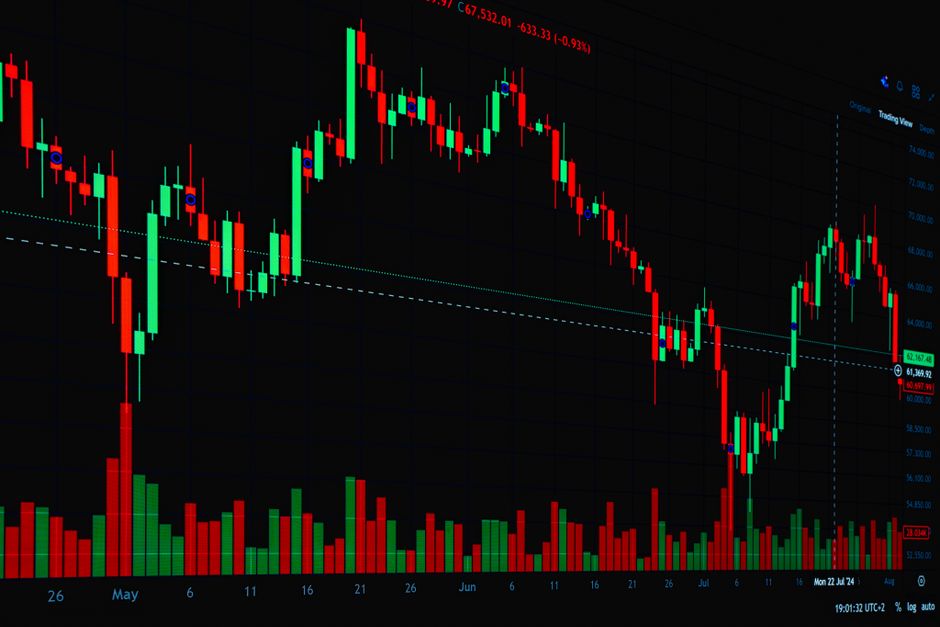
The rule is binary. A position is either initiated within the prescribed timeframe or it is not initiated at all. There is no middle ground for late entries. The fifteen minute range serves as the hard cutoff. If a signal appears during the thirty minute range, the trade is discarded. This lack of flexibility prevents the psychological error of trying to force a setup that has already missed its optimal entry point. The mechanical application of this rule ensures that the trader only operates when the volatility profile matches the specific requirements of an orb strategy.
The Impact of Delayed Entry
Chasing a move after the initial period increases the risk of buying at the session high. When a trader ignores the zero-tolerance window, the risk to reward ratio shifts unfavorably. The distance to the stop loss increases as the price moves away from the origin of the breakout. A small sample overstates the edge if those entries are included in the performance data. Strict adherence to the first hour of regular trading hours provides a clearer view of whether the initial direction holds. Entries outside the window represent a different type of trade altogether, one that lacks the velocity required for this specific method.
Execution Protocol
Execution requires a hard stop on all new orders once the clock passes the fifteen minute mark. This is not a suggestion. It is a structural component of the system. The desk remains active for management of existing positions, but the ability to initiate new risk is terminated. This creates a clear distinction between the aggressive opening phase and the slower market movements that follow. Using the 15 minute window as a filter keeps the focus on the high conviction moves that define the day.